


In our weekly feature, we will take you behind the scenes with some of the talented authors who have been interviewed on Beyond the Pages by Deb McIlroy & Erin Shea on our YouTube channel. Get a glimpse into their creative process, inspiration, and the stories behind their stories. Stay tuned for exclusive insights and anecdotes from the minds behind some of your favorite books.
What was your motivation for writing your latest book? Can you elaborate on the process behind it?
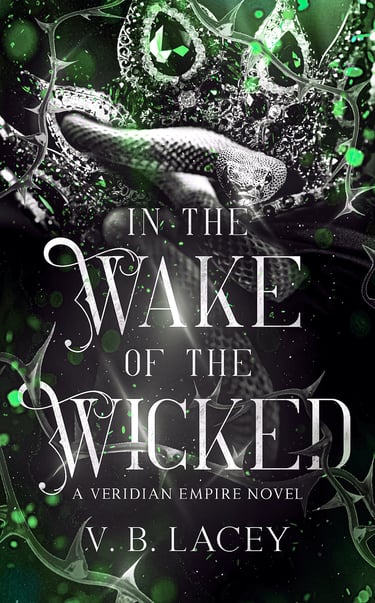
My most recent release was In the Wake of the Wicked, a dark fantasy romance standalone. The inspiration for this book started as a Wizard of Oz retelling, which quickly morphed more into the musical Wicked, as that’s a story that’s close to my heart. I’ve loved the musical ever since I saw it over fifteen years ago with my dad, and writing a romantasy inspired by it just clicked, especially once I added the idea of magical trials into the mix. I wanted a story that evoked the same kind of emotions I had when I saw the musical for the first time.
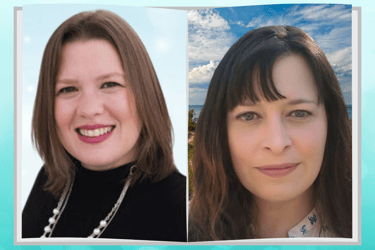
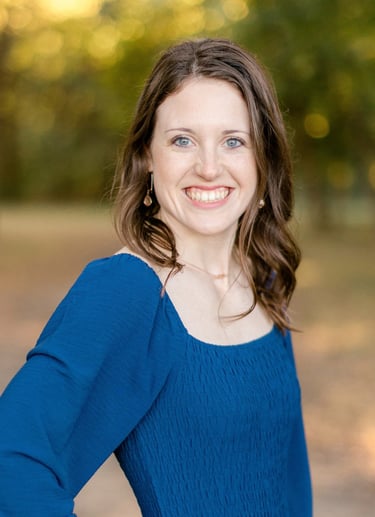
This week, we have the pleasure of chatting with V.B. Lacey, the talented author of In The Wake Of The Wicked.
Could you describe your writing routine and how you maintain focus and creativity throughout the process?
I write a lot in the evenings after work. I’ll usually come home, cook dinner, and then settle in for a few sprints - 30 minutes or an hour each until I either get too tired or I hit a good stopping point. Doing sprints on Discord with other authors helps keep me productive and stay focused because I have a goal I’m working toward, and I’m not doing it alone. It also helps to bounce ideas off of one another to keep the creative juices going.
Which themes resonate strongly in your writing, and what draws you to these particular themes?
I definitely resonate with themes of anxiety and how different characters work through those moments, how they internalize them, and how they share their burdens with others. Anxiety is such a prevalent discussion today and is something I (and many others) deal with daily, so it’s natural that it works itself into my writing as I’m creating these characters.
What message or impression do you hope to convey to your readers through your work?
I hope they see real, raw, authentic, flawed people and relationships. I hope that they feel seen and that they can relate to my characters when they witness both their good qualities and their brokenness. I know many of us feel broken at times, and I hope readers can watch these characters learn how to pick up the pieces and put themselves back together, because we’re all capable of it.
What is your approach to crafting character arcs, and how do you ensure that they are relatable to readers?
Anyone who knows me well knows that I love the Enneagram. It’s a personality system with 9 distinct types based on your core fears and desires. My first step when diving into character development and crafting their arcs is figuring out what their Enneagram type is. I think through questions such as what’s their goal, what’s their main conflict to reaching that goal, how does their personality shape their feelings toward the conflict, how they work around it, how they manage obstacles and other characters, etc. Just like people, characters will handle things differently from one another, both good and bad things. I think this makes them very relatable. Having a good idea of how my character will instinctively react to x,y,z helps me to write their development and their individual journeys instead of making them all the same.
What has been the most surprising or rewarding part of your writing journey so far?
Something I didn’t expect when starting this journey was the impact my stories would have on readers. The messages I get from people saying a particular part of my books helped them get through difficult times or really resonated with them because they’ve been through similar situations as my characters have been incredibly rewarding. I’m also surprised by the sense of pride I feel. I’ve always been a fairly self-deprecating person, and I tend to shrug off my accomplishments or compliments that come my way. But I’ve developed real pride in myself, what I’ve done, and the knowledge and experience I’ve gained. It makes it exponentially more rewarding to know that I’ve built this beautiful life from the ground up.
Buy the book Here
In The Wake Of The Wicked
Wherever she goes, darkness follows.
An orphan with a tragic past and a penchant for wicked deeds, Rose Wolff has never been accepted by her people. She's learned to live in the darkness, content with her Alchemy magic and her quiet apothecary.
When a terrible curse sweeping the land forces her to enter the Decemvirate, a magical tournament among the strongest of the empire, Rose is pulled from the shadows and thrown into a world of power games, deadly trials, and entanglements with a handsome, mysterious rebel.
With divisions in the empire worsening, there may be more at stake than becoming the champion. Secrets about her magic and encounters with the all-powerful emperor make Rose question everything, leading her down a path she may never come back from.
All magic has a price, and Rose must choose: truth, love, or power?
How do you tackle the challenge of pacing in your narratives? What techniques do you use to keep readers engaged?
Pacing can often be a struggle, and it can make or break a book. I’ve seen rules of thumb float around out there, such as making sure you never have more than 2 scenes in a row that are transition scenes, etc. My biggest goal is to make sure I have a wide variety of types of scenes spread throughout the whole book. Action, transition/traveling, introspective, romantic, heavy on dialogue - I make sure to vary the scenes up so that I don’t have too many of the same kind back-to-back-to-back. I think a lot of that comes with being a reader. As readers of the genre, we tend to develop a good idea for pacing simply because we’ve read so many books and we know what good pacing feels like. Something else I like to do is leave many of my chapters on “mini cliffhangers.” I want readers to feel the urge to keep going because they have to know what happens next.
In what ways do you incorporate feedback from your peers or readers into your writing?
My books go through a couple of rounds of feedback before going to final edits. I heavily rely on these early readers for an idea of both pacing and making sure the emotional beats hit well. It’s very hard to ensure your own writing evokes the emotion you’re intending since you’re so close to it, so this feedback is crucial. If this feedback points out that certain sections could use something to make the scene stronger, I trust their intuition and will rework ways to strengthen the emotional response.
How do you make your settings come alive in your stories? Are there particular methods you use?
I heavily research my settings before I begin drafting so that they’ll feel accurate, even though they’re fictional worlds. If a reader can really immerse themselves in the world, it makes it more relatable. I don’t use any specific method, but taking my current series as an example: this series of interconnected standalones I’m working on each takes place in a different season of the year, and I heavily draw on that setting when drafting and creating the environment. I like the setting to influence emotions and play off of that, like in winter, when the wind is cold and biting, which can relate to how the main character may be feeling. Everything is sharper and harsher. While in summer or spring, it might feel more heady and fluid, that kind of thing.
What are the common misconceptions people have about being a writer that you would like to address?
I’m not sure if it’s as much of a misconception anymore as indie authors are becoming more prevalent and open in the community, but the first thing I thought of with this question was how shockingly little of our job is writing. Especially as independent authors. We’re also our own administration team - scheduling, marketing, formatting, content creation, researching, and so much more. It’s a hard balance, considering all of these things are important to publishing, and yet we must keep writing if we want to continue working.
Could you share an experience where you faced significant criticism, and how did it affect your work?
I have had a couple of different experiences with my four completed books where I faced significant criticism, and at the end of the day, it only motivated me more to strengthen the book. Not everyone will be happy with everything that’s written, but there is always something that can be improved. I trust my gut, and I know my stories better than anyone else; however, as I’ve said earlier, sometimes the author is too close to the story. Other perspectives are important to take into consideration. If I can stand back and be objective and see that the criticism holds truth, it’s worth diving into in order to craft the best story I can.
What role does a supportive writing community play in your life as an author? How has it influenced you?
The importance of a community cannot be overstated. I was fortunate enough to develop a couple of close groups fairly early on in my writing journey, and they’ve been with me through it all. But I’ve also connected with more and more authors from different points in their careers, and I value every single one. This can be an incredibly lonely path. You’re in your head all the time, bearing the weight of the world on your shoulders, trying to juggle five different hats at once. Having others to lean on, whether it’s for brainstorming, for encouragement, for a distraction, or just to vent, has gotten me through some very dark times. Seeing others in the community working hard and reaching goals is also inspiring, and gives me encouragement to keep going and trying new things.
What advice would you give aspiring authors when it comes to getting published? Any tips on navigating the publishing landscape?
The number one piece of advice I always give to authors is to network early and network authentically. I got involved in the indie author world and made several friends/mentors before I heavily committed to publishing, and it was because I truly loved their books and wanted to get to know them. It wasn’t because I wanted something out of them or wanted to use them. People can tell when you’re only in it for what YOU can get out of it - don’t be like that. Build genuine connections because this is a community, and you care about others, not simply to see what you can get out of it. When people see you’re genuine, good things will come with time.